
Local Guides · 7 min read
Frances, Jeanne & Wilma: Stuart's Hurricane History and Your HVAC
By HVAC Stuart FL · Published June 1, 2025 · Updated August 8, 2025
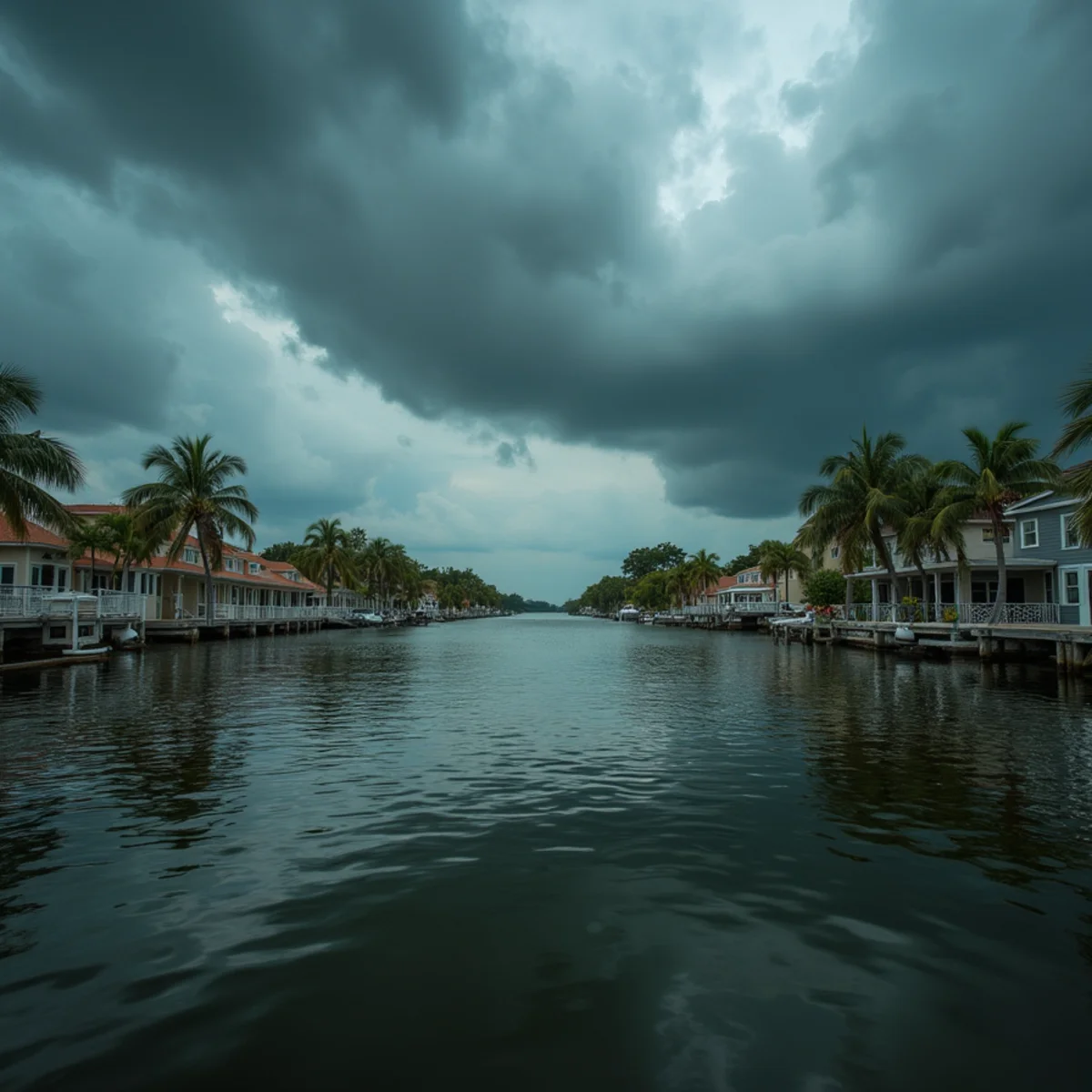
Stuart's storm history isn't abstract. In September 2004, Hurricane Frances came ashore near the city as a Category 2 and sat on the Treasure Coast for hours. Twenty days later, Jeanne followed — crossing almost the same ground as a strengthening storm. Wilma swept across the peninsula in October 2005 and reminded everyone that the season doesn't end in September. A community that took two direct-ish hits in three weeks learned things about buildings, codes, and equipment that show up in its housing stock to this day.
For HVAC, that history is living context: it's why the equipment codes are what they are, why so many local systems date to specific rebuild waves, and why the storm-preparation conversations here start from experience instead of theory.
What 2004-2005 actually did to local equipment
Frances and Jeanne didn't just damage systems — they rearranged them: wind-thrown condensers, crushed line sets, flood-affected equipment in the low-lying river districts, and weeks without power that turned restoration surges into a second wave of failures. The post-storm rebuild created a distinct equipment cohort: systems installed in 2004-2007 across Martin County, now twenty years old and entering their final chapters together.
The rebuilding years also changed standards permanently: hurricane strapping requirements tightened, flood-zone elevation rules for outdoor equipment took their current form, and generator-dependence became a local planning assumption. A 2025 condenser installation in Stuart carries that history in its code requirements.
The rebuild cohort and today's replacement wave
The systems installed during the post-hurricane rebuild years — 2004 through 2008, roughly — are now crossing the twenty-year mark, and coastal corrosion has had two decades to work on them. For neighborhoods like Mariner Village, North River Shores, and the river districts, the current replacement wave is, in a real sense, the 2004 cohort's scheduled retirement.
That wave comes with a choice every time: replace with the same vulnerability profile, or build the resilience package — coastal-rated coils, elevation where flood zones require, code strapping, surge protection — that the next storm meets differently. The 2004 cohort earned that conversation; the equipment installed today should be built for the 2030s' version of the same weather.
- 2004-2008 rebuild systems: now at decision age, county-wide
- Coastal corrosion: two decades of salt on the cohort's coils
- Strapping and elevation: the era's lasting code legacy
- Surge protection: the restoration-spike lesson, institutionalized
- Generator planning: the local normal since 2004
What the history teaches about preparation
The 2004-2005 seasons wrote the local preparation playbook: pre-season inspections (strapping condition, drainage, surge devices), equipment documentation for insurance (photos, model numbers, condition records), and the post-storm sequence (safety, documentation before cleanup, inspection before energizing). Every item on that list was learned expensively and works cheaply.
The season-length lesson matters too: Wilma arrived in October, after most of the country had stopped paying attention. Treasure Coast storm prep runs June through November, and the pre-season checklist is worth doing early — supply chains and contractor calendars tighten precisely when the calendar says they shouldn't matter yet.
When the next one comes
The post-storm sequence that 2004 taught: leave flooded equipment unenergized; document before cleanup (photos, water lines, debris, nameplates); preserve damaged parts; get a written inspection separating storm damage from pre-existing wear; and coordinate the insurance claim on documentation rather than narrative. The claims that went smoothly in 2004-2005 were the documented ones — that lesson hasn't expired.
And the restoration-surge lesson: power returning is when compressors and boards die, hours after the rain stops. Stable-grid restarts, surge protection installed before the season, and post-outage patience protect the system through the aftermath window that the wind never touched.
Frequently Asked Questions
Both came ashore at or near Stuart in September 2004 — Frances as a Category 2 that lingered for hours, Jeanne crossing similar ground twenty days later as a strengthening storm. Wilma crossed the peninsula in October 2005. The 2004-2005 seasons reshaped the region's buildings, codes, and equipment standards.
Services Mentioned
Areas We Serve
Related Reading
Storm & Emergency
Hurricane Hit Your AC? A Stuart Post-Storm HVAC Checklist
The storm has passed — now what? A step-by-step HVAC checklist for Stuart homeowners: what to touch, what to leave alone, and how to protect your insurance claim.
Seasonal Care
Hurricane-Season HVAC Checklist: Straps, Covers & Surge Protectors
Hurricane season starts June 1 — and your condenser has homework. The pre-season checklist that Stuart homes have learned since Frances and Jeanne, done in one visit.
Costs & Buying
Does Florida Homeowners Insurance Cover Hurricane HVAC Damage?
Wind, surge, and flood treat your AC claim differently. What Florida homeowners insurance typically covers — and the documentation that separates approval from denial.