
Storm & Emergency · 6 min read
Hurricane Hit Your AC? A Stuart Post-Storm HVAC Checklist
By HVAC Stuart FL · Published August 1, 2025 · Updated August 20, 2025
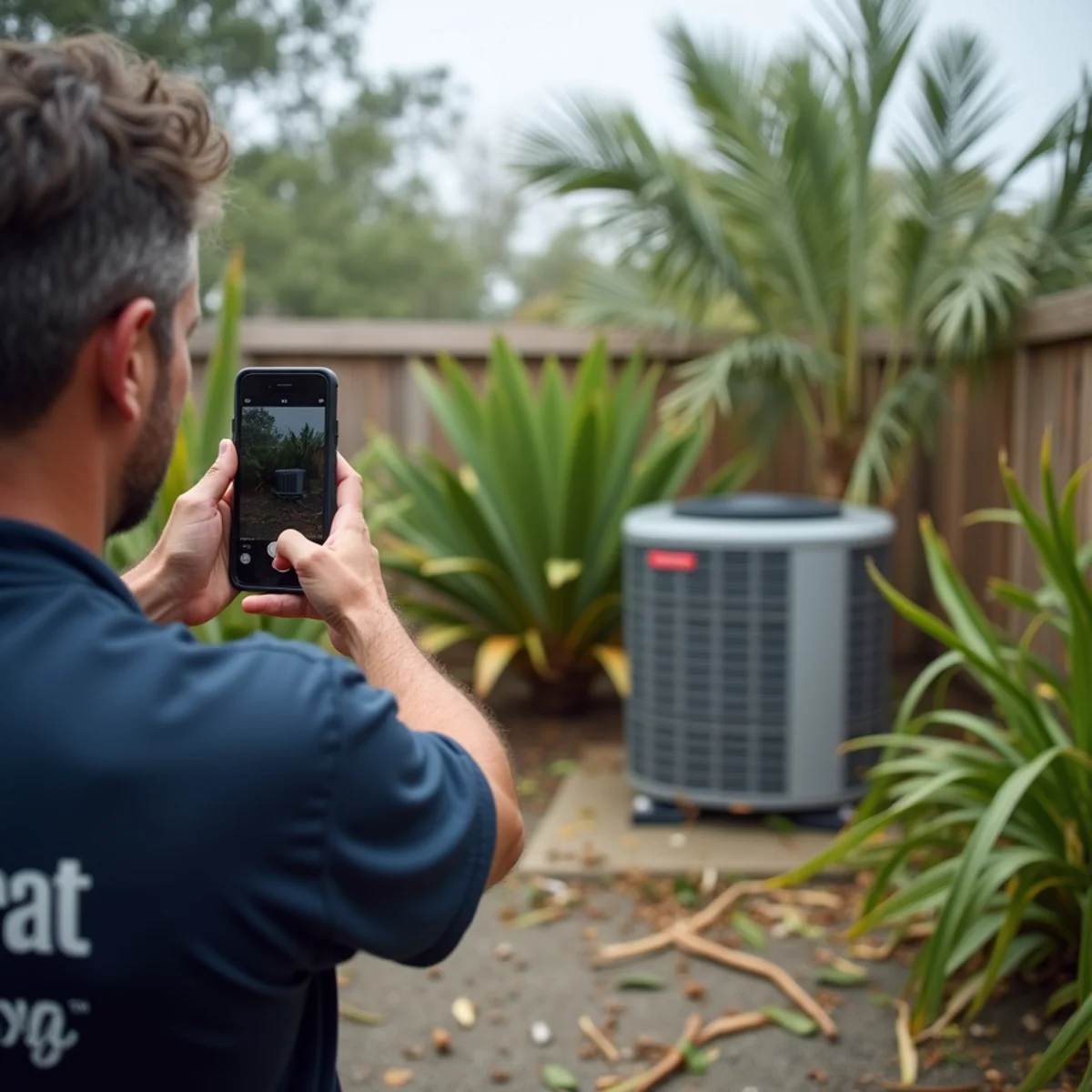
The sky clears, the power flickers back, and the first thing half of Stuart does is bump the thermostat down. Sometimes the AC hums back to life like nothing happened. Sometimes it doesn't — and the next moves you make determine whether you're dealing with a repair, a replacement, or a denied insurance claim. Hurricane-hit equipment follows rules, and they're not intuitive.
This checklist is the one we walk Martin County customers through every storm season, from the first walk-around to the insurance paperwork. Work it in order — safety, documentation, inspection, restoration — and the aftermath gets measurably cheaper.
Step 1: Safety before cooling
If the outdoor unit sat in floodwater — even briefly — do not energize it. Water in the electrical compartment can short windings and controls, and flipping the disconnect on a wet unit converts a repairable machine into a total loss, sometimes dangerously. Leave the breaker off, leave the disconnect off, and let an inspection decide what's safe to test.
The same caution applies to indoor equipment: an air handler in a flooded garage or closet stays off until it's checked. And if you smell burning, see sparking, or the panel feels hot, that's a 911 situation — HVAC service doesn't substitute for emergency responders.
Step 2: Document before you clean up
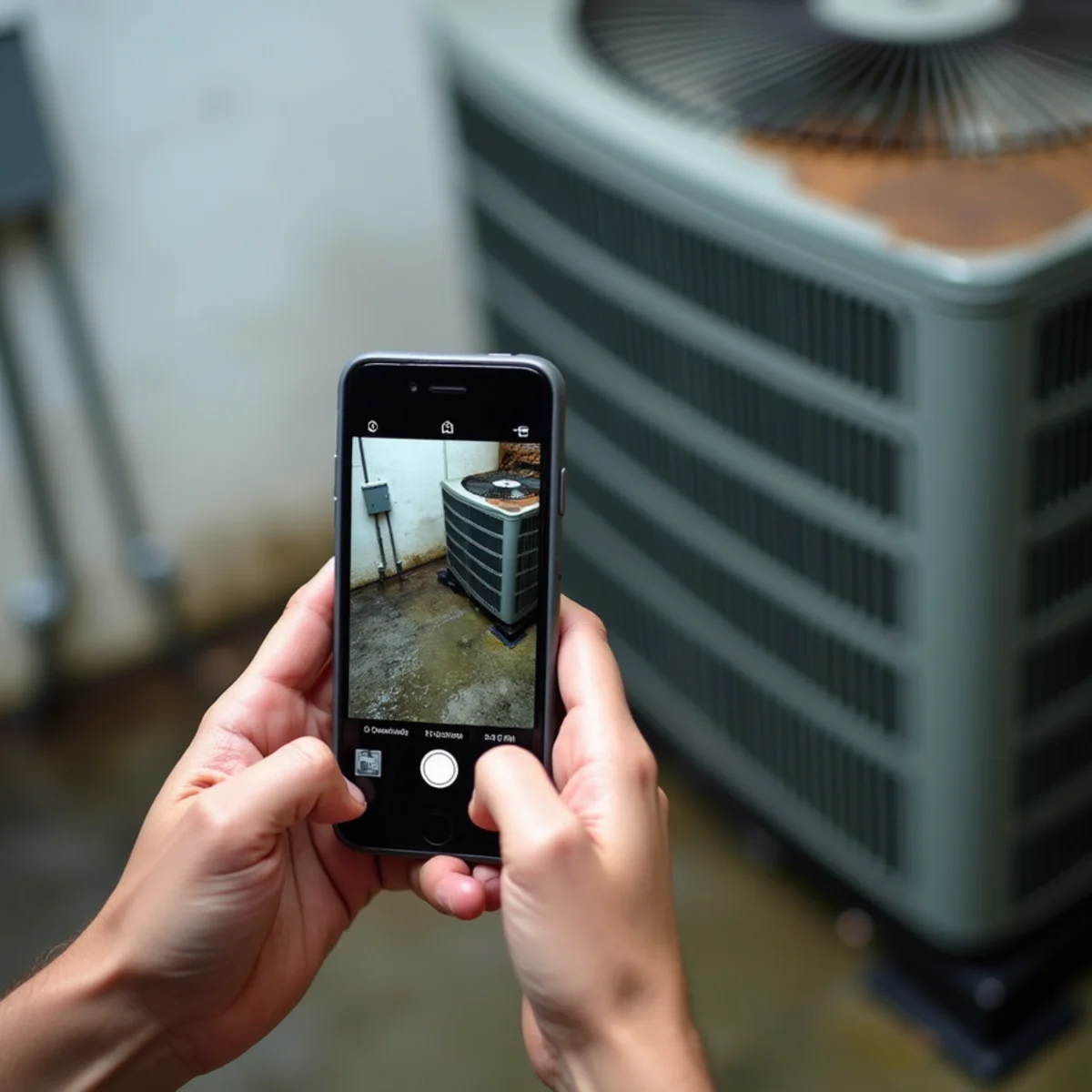
Evidence wins claims, and cleanup erases evidence. Photograph the equipment from all sides before touching anything: the water line on the cabinet, debris impact, displaced pads, and the surrounding yard. Note the dates — when the storm passed, when power returned, when any symptom appeared. Keep damaged parts.
That record is what separates a smooth claim from a fight. Adjusters distinguish wind damage from flood damage from pre-existing wear, and your photos either support that distinction or leave it to guesswork. Ten minutes of photography before the cleanup crew arrives is the highest-value ten minutes of the whole aftermath.
- Photos: unit from all sides, nameplate, water lines, debris, surrounding area
- Dates: storm passage, power restoration, symptom onset
- Preserved parts: anything the storm damaged, kept for inspection
- Symptoms: what the system does (or doesn't do) when power returned
Step 3: The visual inspection you can safely do
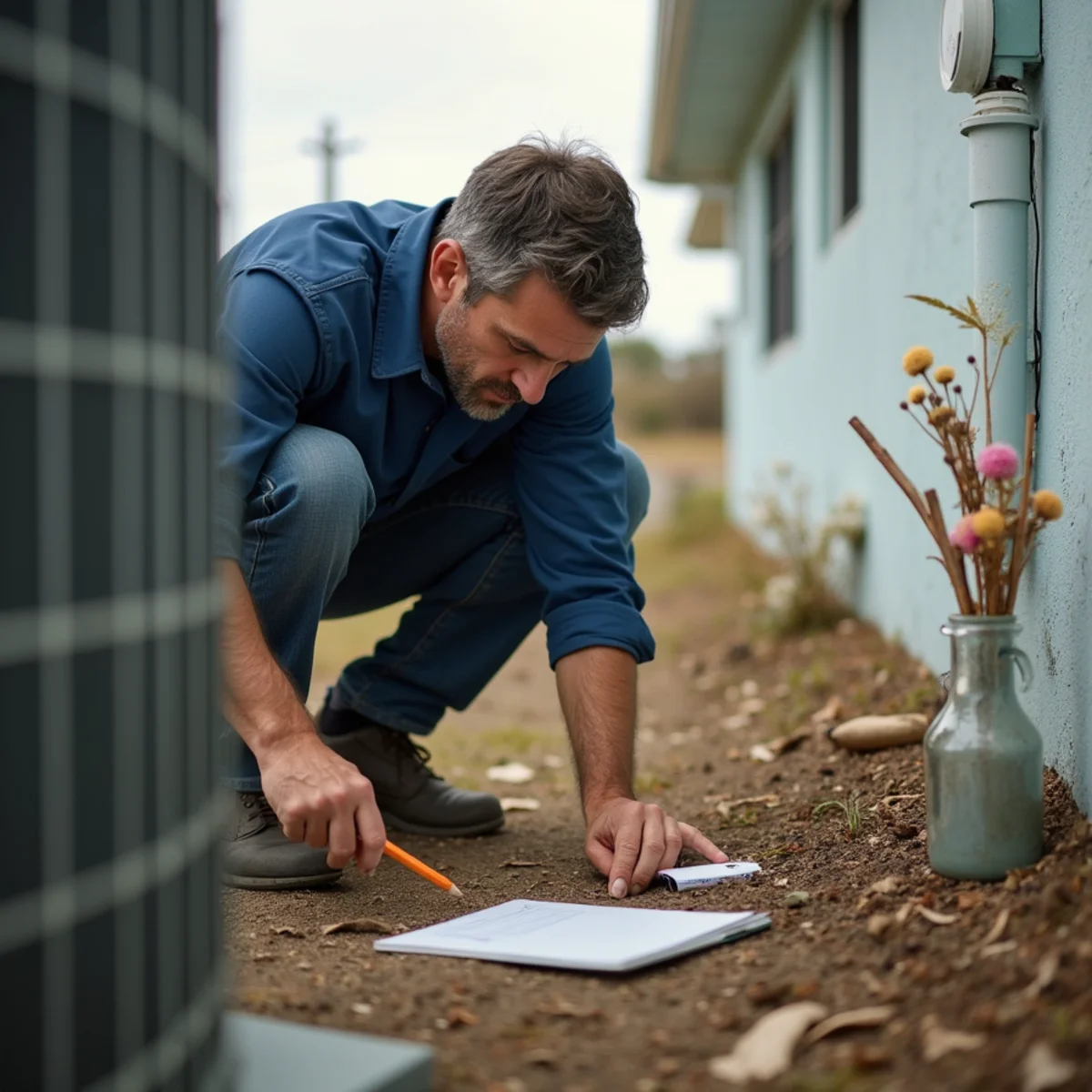
With power off, walk the outdoor unit. Is it level and on its pad, or displaced? Any impact damage — dents, punctured coil, crushed line set? Debris packed into the coil? Salt spray and storm grit caked across the cabinet? Look at the disconnect and conduit for damage, and check whether the unit's flood situation (water line, mud) suggests the electrical compartment was reached.
Indoors, check the air handler area for water, the ceiling below attic equipment for stains, and the thermostat for response when power's stable. What you find — or find missing — tells the technician what to prioritize, and it goes in the documentation file either way.
Step 4: Professional inspection and insurance-ready documentation
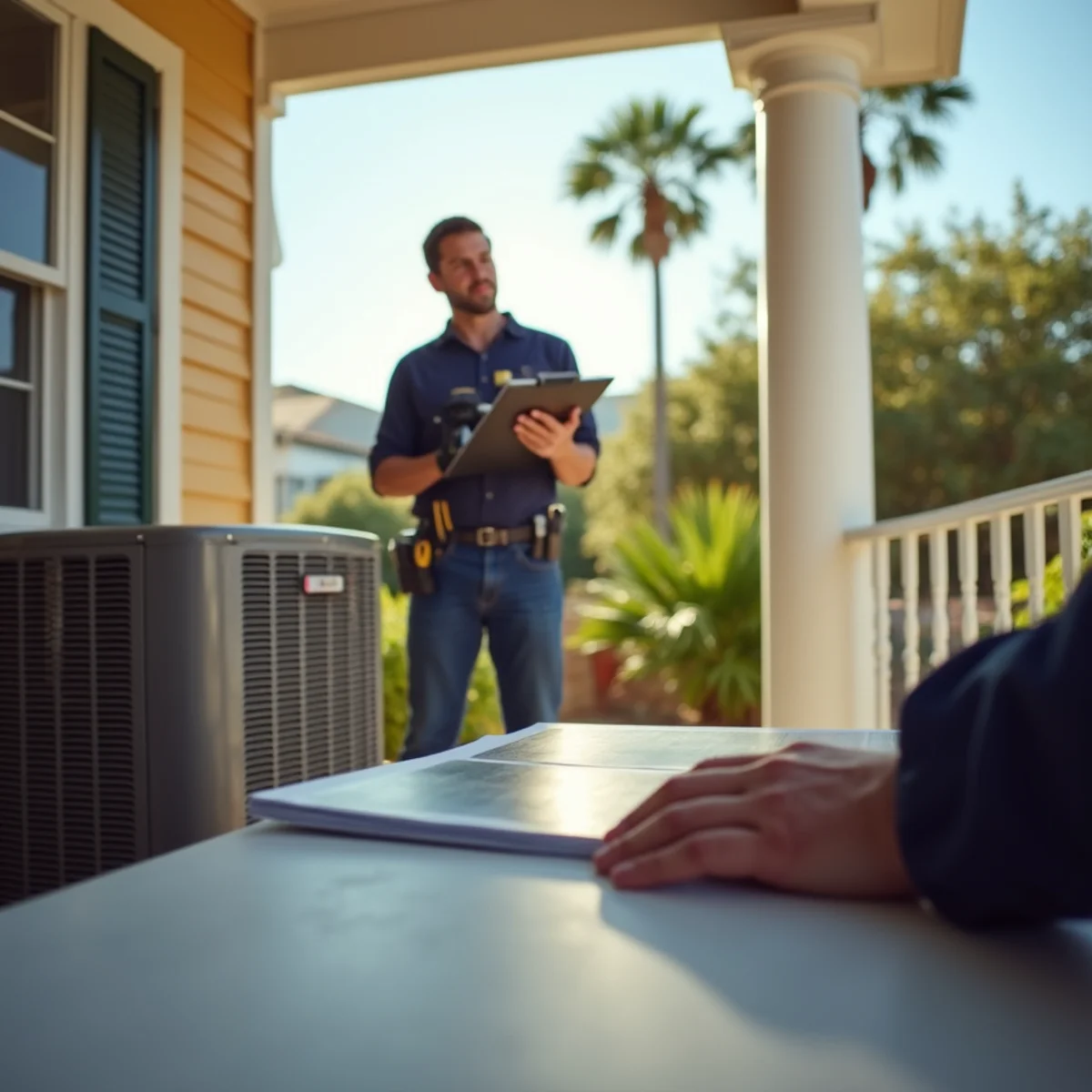
A post-storm inspection with power-on testing answers the big question — safe to run or not — and separates storm damage from pre-existing wear in writing. That separation is the technical core of most claims: wind-thrown and surge-killed equipment reads differently than corroded-and-tired equipment, and a written inspection that says so plainly is what adjusters process without friction.
We coordinate directly with adjusters' technical questions and provide itemized estimates formatted for claims — never promises about coverage, which belong to your policy and adjuster, but always the facts they need, documented. If replacement is the outcome, the rebuild gets the storm-resilience package: elevation, strapping, surge protection, coastal-rated coils.
Frequently Asked Questions
Not necessarily. Grid restoration surges can damage boards and compressors hours after the lights stabilize, and some failures show up as shortened capacity rather than obvious breakdown. A post-storm inspection catches what the first successful start doesn't.
Services Mentioned
Areas We Serve
Related Reading
Costs & Buying
Does Florida Homeowners Insurance Cover Hurricane HVAC Damage?
Wind, surge, and flood treat your AC claim differently. What Florida homeowners insurance typically covers — and the documentation that separates approval from denial.
Storm & Emergency
Post-Hurricane No-Cool Calls: Why Compressors Die After Stuart Storms
It's not the wind and rain that kill compressors — it's what happens in the hours after. The post-storm failure pattern Stuart technicians know by heart.
Seasonal Care
Hurricane-Season HVAC Checklist: Straps, Covers & Surge Protectors
Hurricane season starts June 1 — and your condenser has homework. The pre-season checklist that Stuart homes have learned since Frances and Jeanne, done in one visit.