
Seasonal Care · 7 min read
Hurricane-Season HVAC Checklist: Straps, Covers & Surge Protectors
By HVAC Stuart FL · Published May 28, 2025 · Updated August 1, 2025

June 1 opens hurricane season on the Treasure Coast, and the equipment outside your house has a prep list it can't do itself. Stuart's storm history — Frances and Jeanne in 2004, Wilma in 2005 — wrote this checklist expensively; running it costs a service visit. The items are specific, the order matters, and the whole thing fits in one pre-season appointment.
Here's the list, item by item, with the why attached — because a homeowner who understands the checklist runs it better than one who just signs for it.
Strapping and mounting: the wind half
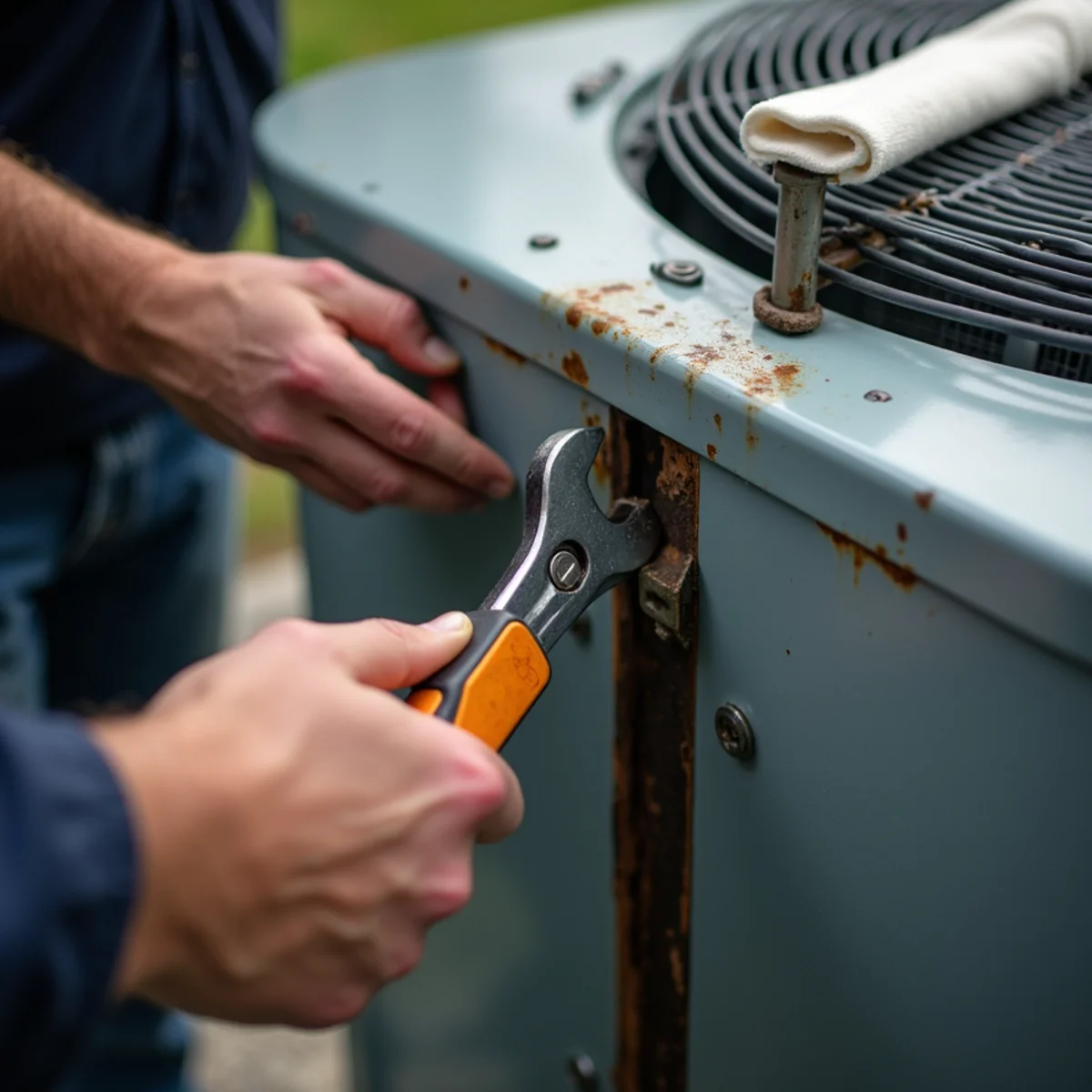
Hurricane strapping keeps the condenser on its pad when the wind arrives — and straps age: corrosion from our salt air, loosened anchors, and code changes since the original install all matter. The pre-season check verifies strap condition, anchor integrity, and compliance with current code, replacing what's rusted and bringing older installs up to standard.
The pad and mounting matter equally: level pads, no hollow spots under feet, and the unit positioned out of debris-fall paths (overhanging limbs are the classic culprit). A wind-thrown unit isn't just a damaged unit — it's a crushed line set, a torn electrical whip, and often a total loss that elevation and strapping would have prevented.
Surge protection: the electrical half
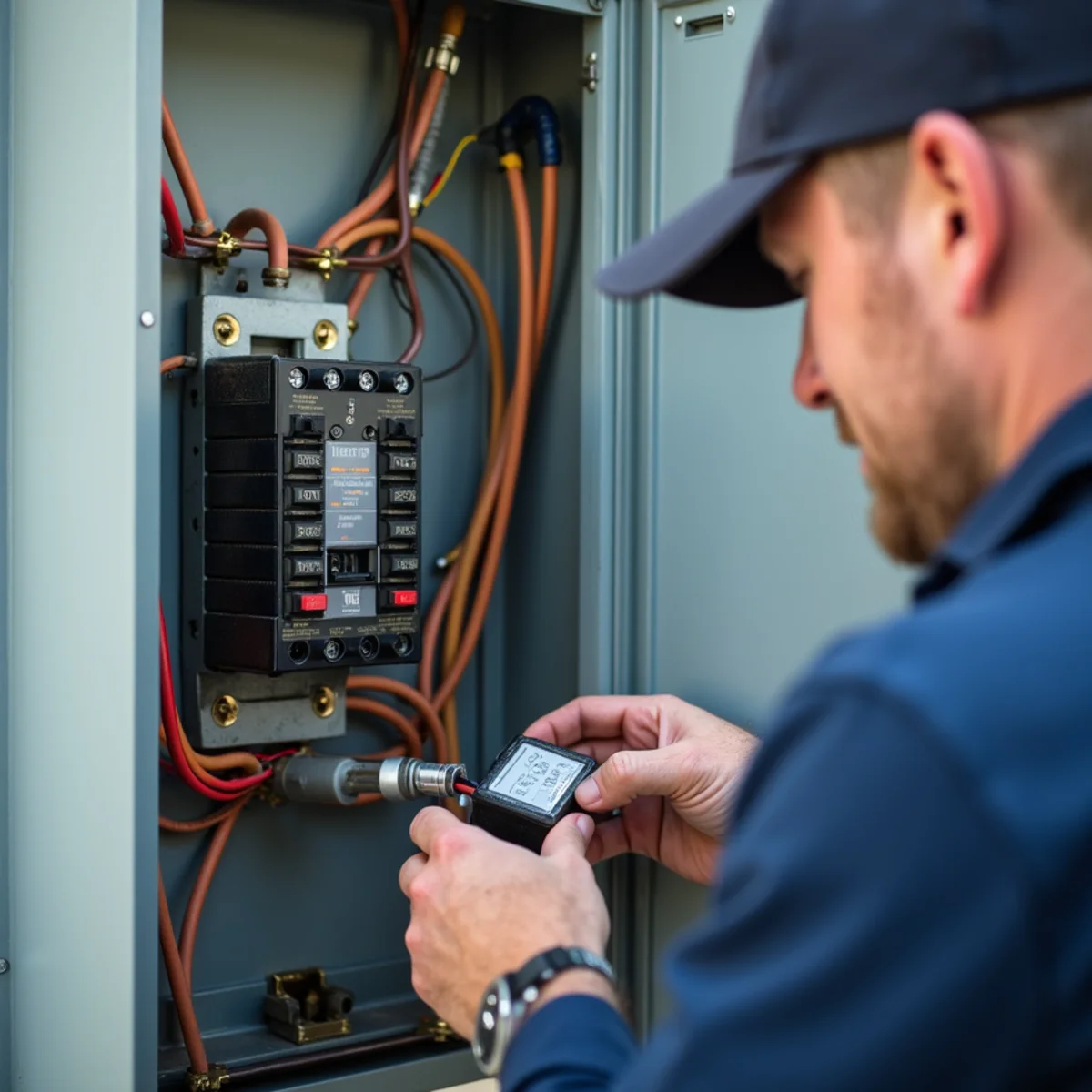
The storm's electrical aftermath kills more equipment than its wind: grid restoration spikes and outage-flicker events destroy boards and compressors in the hours after the rain stops. The whole-system surge protective device installed at the equipment is the defense — clamping the spike before it reaches the expensive components — and pre-season is when it should go in, not post-claim.
Grounding and disconnect condition get verified at the same visit: a surge device on a compromised ground is decoration, and a corroded disconnect is its own storm casualty. The electrical prep is twenty minutes of the appointment and the highest-value twenty minutes in it.
- Whole-system surge protective device installed and verified
- Grounding and disconnect condition confirmed
- Strapping: condition, anchors, current-code compliance
- Pad level, footing solid, debris-fall paths cleared
- Overhanging limbs trimmed back from the unit
Drainage, elevation, and the flood half
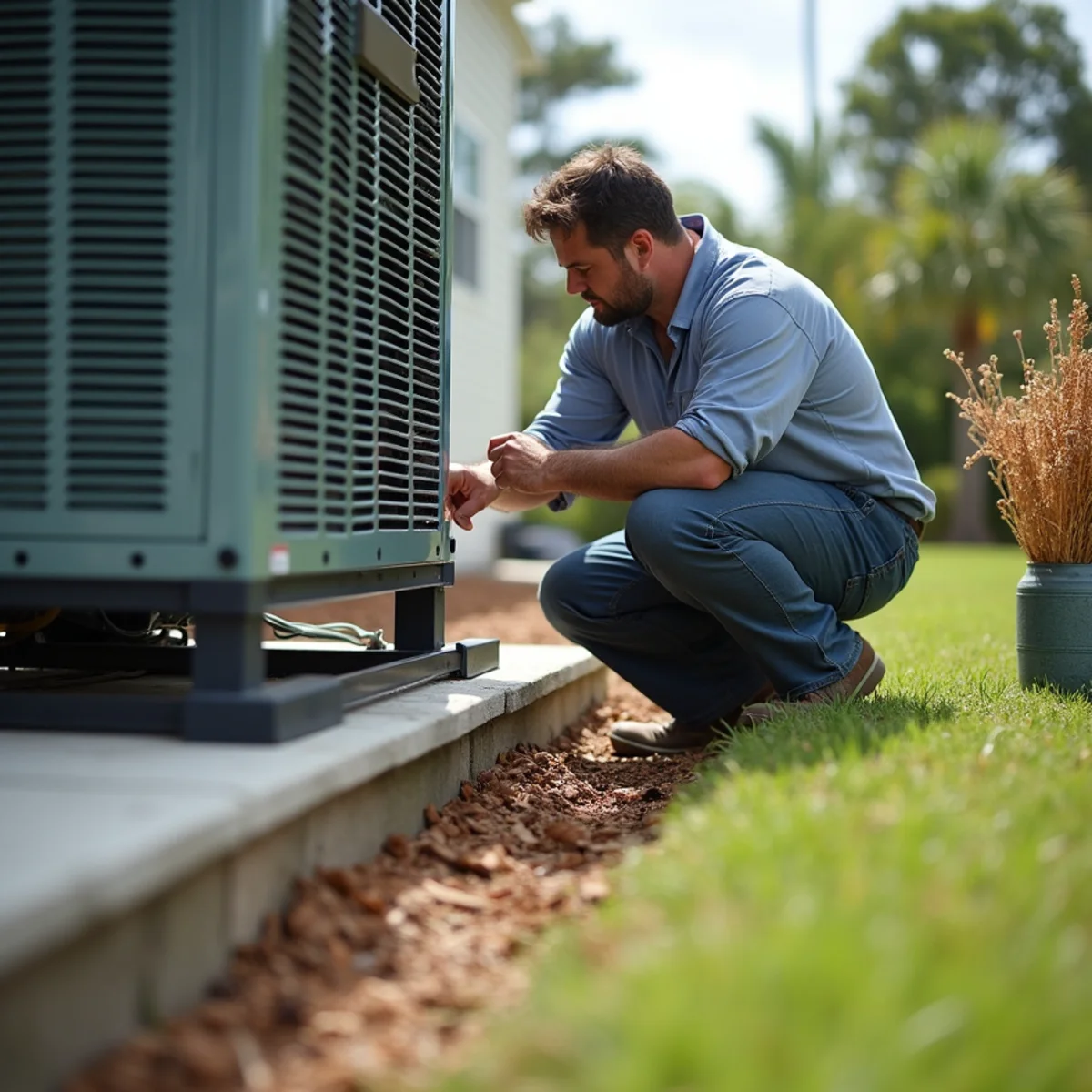
Water is the storm's second weapon: low-parcel equipment in flood zones should already sit on engineered stands above base flood elevation (a replacement-time requirement, worth checking ahead of need), and every unit benefits from drainage attention — pad grading that sheds water, condensate lines routed away from standing-water paths, and no debris dams around the base.
Indoors, the same attention applies to the air handler: condensate drain flushed and treated (a storm-week clog plus a power flicker is a classic ceiling-stain recipe), float switch tested, and the handler's surroundings cleared. Water damage from a storm is bad; water damage from a drain that was already failing is preventable.
Documentation and the storm-day plan

The last checklist item is paper: photograph the equipment's current condition (all sides, nameplate, serial numbers), file the model information with your insurance documents, and note the system's pre-season performance. That pre-storm record is what the post-storm claim compares against — 'it worked perfectly before' needs evidence to be worth anything.
And the storm-day plan: know where the disconnect is and how it works, know which breaker is the HVAC's, and remember the post-storm sequence — flooded equipment stays unenergized, documentation happens before cleanup, and the stable-grid restart waits for power that's actually stable. The checklist's last item is the one you hope to never run; it's also the one 2004 taught this town best.
Frequently Asked Questions
The one-visit list: strapping verified to current code, surge protection installed, grounding checked, pad and debris-fall paths cleared, drainage and elevation confirmed for flood-zone parcels, condensate system serviced indoors, and equipment photographed for insurance records. June 1 is the deadline, not the reminder.
Services Mentioned
Areas We Serve
Related Reading
Storm & Emergency
Hurricane Hit Your AC? A Stuart Post-Storm HVAC Checklist
The storm has passed — now what? A step-by-step HVAC checklist for Stuart homeowners: what to touch, what to leave alone, and how to protect your insurance claim.
Local Guides
Florida Is the Lightning Capital: Protecting Your AC on the Treasure Coast
Florida's lightning density is the nation's highest, and your condenser is the tallest metal in the yard. The protection that actually works — and the hours after the storm that matter most.
Local Guides
Frances, Jeanne & Wilma: Stuart's Hurricane History and Your HVAC
Two hurricanes in twenty days in 2004 reshaped Stuart's buildings, codes, and equipment. What the Frances-Jeanne-Wilma era means for the HVAC above your garage today.