
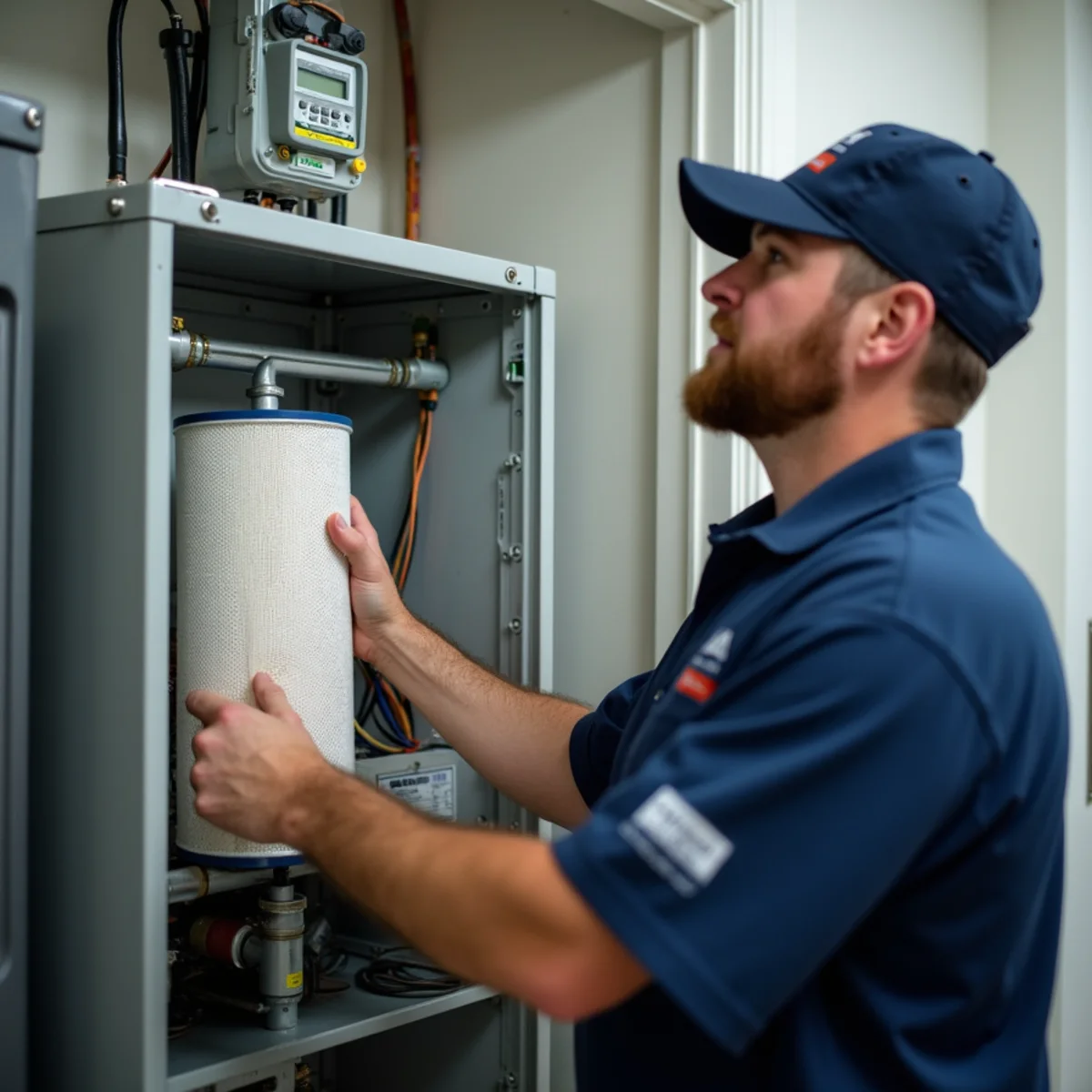
Indoor air quality is a systems problem, and we treat it that way: measure the actual conditions (humidity, filtration, duct leakage, drainage), fix the root causes, then layer the right technology — filtration, purification, UV, dehumidification — against your specific problem. What we won't do is sell a gadget against a diagnosis we never made.
What poor IAQ feels like
- Musty or damp odors when the system runs
- Allergies that worsen indoors and ease outdoors
- Visible mold on register grilles or near vents
- Dust that returns within days of cleaning
- Condensation on windows and registers
- Headaches or congestion that follow you home
- Hot, humid rooms the system never quite dries
- A closed-up house that smells worse every day you're away
What affects your price
These factors shape your final price. Published local benchmark ranges appear in the page copy where they're relevant — and you'll get every charge in writing before work begins.
- Media cabinet upgrade vs. basic filter improvement
- UV-C lamp selection and installation access
- Dehumidifier sizing for the home's moisture load
- Duct sealing scope before any IAQ tech is layered on
- Testing, baseline, and follow-up documentation
- Maintenance plan integration for filters and lamps
What's included with Indoor Air Quality in Stuart
Every Indoor Air Quality job is scoped and documented up front — here's what you get when we roll up to your Treasure Coast home or business.
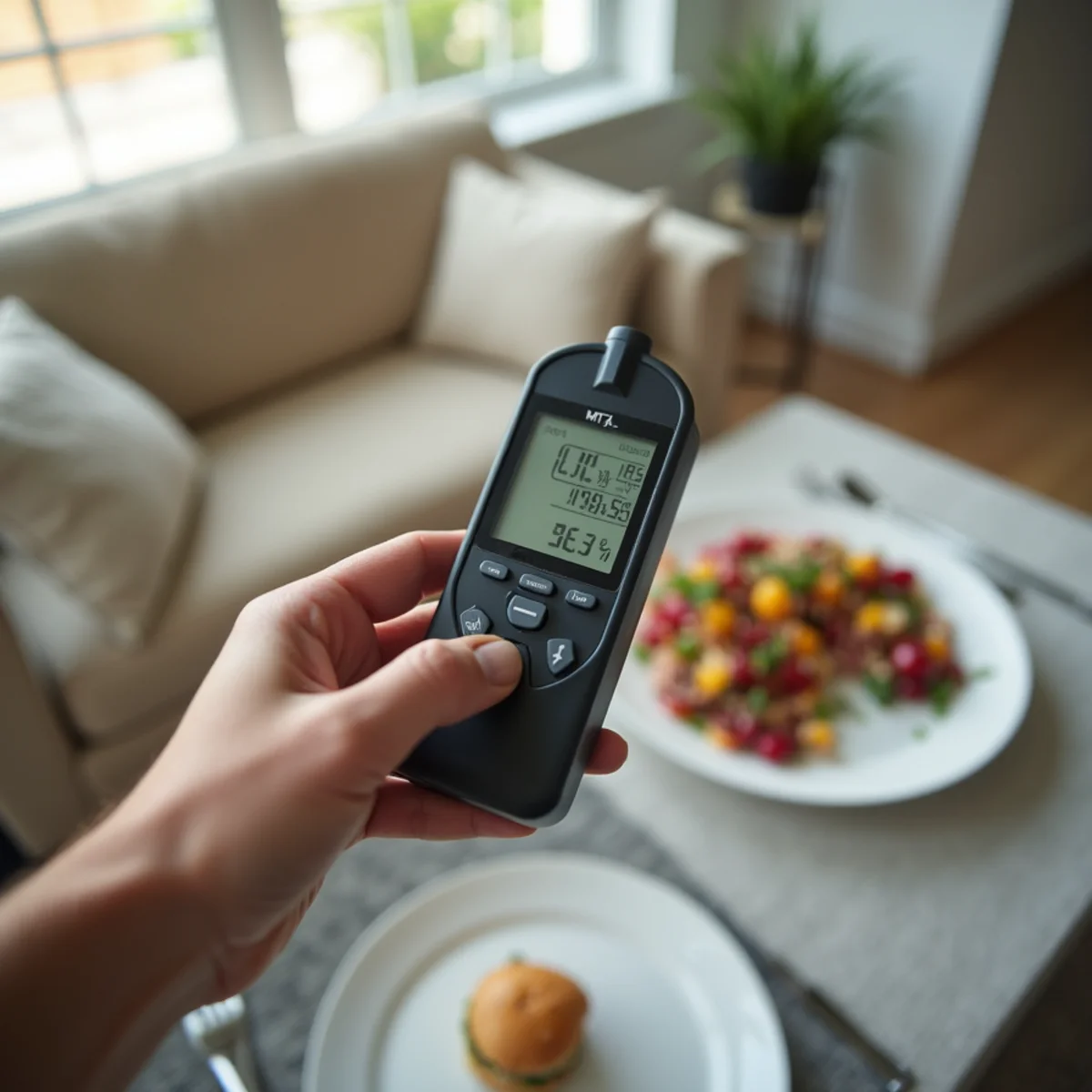
- Room-by-room humidity and comfort measurement
- Duct leakage and return-path inspection
- Static-pressure testing for filtration capacity
- Media filter cabinet upgrades sized to your blower
- UV-C installation at the coil and drain pan
- Whole-home dehumidification for the humid months
- Written baseline so improvement is measurable, not anecdotal
Start with the causes, not the gadgets
Most Stuart IAQ complaints trace back to moisture and ducts. A humid house grows mold on every cool surface; a leaky return duct sucks attic air — insulation fibers, humidity, whatever's up there — straight into your supply; a clogged condensate drain turns an air handler closet into a wetland. Fix those and a surprising number of 'air quality problems' simply end.
So every IAQ engagement starts with measurement and inspection: relative humidity readings room to room, duct leakage and return-path inspection, coil and drain condition, and filter fit. EPA guidance targets drying wet materials within 24–48 hours to limit mold growth, and visible mold or damaged building materials can require a qualified remediation professional — we tell you when that line is crossed instead of pretending a UV lamp is a remediation plan.
Filtration: what your system can actually handle
Filtration is the cheapest, most effective IAQ upgrade — but it has physics limits. A MERV 13 filter catches pollen, mold spores, and fine dust far better than the one-inch fiberglass panel, but it also resists airflow, and a blower straining against a dense filter causes its own problems (ice, overheating, short cycling). The right answer depends on your system's static-pressure capacity, sometimes with a media cabinet or blower adjustment to make room.
We measure before we recommend: static pressure with the candidate filter installed, fit and bypass gaps, and change-frequency honesty for our long season. For most homes the destination is a four-to-five-inch media cabinet with MERV 11–13, checked quarterly — a real upgrade your system can actually breathe through.
Purification, UV, and the humid months
Beyond filtration, two technologies earn their place here. Whole-home dehumidification holds the 45–55% RH range that makes mold and dust mites unable to thrive — it's the foundation everything else sits on. UV-C lamps aimed at the evaporator coil and drain pan keep the wettest, darkest part of your system from becoming a biology experiment, which protects both air quality and coil performance.
Active purification systems (bipolar ionization, photocatalytic oxidation) can add value in the right application, and we'll say so when they don't: a well-sealed duct system, good filtration, controlled humidity, and a clean coil already solve most of the problem. Every recommendation connects to a measured condition — that's the difference between an IAQ plan and an upsell script.
Our Indoor Air Quality process
Test first, document everything, and get your sign-off before the work happens — no guesswork, no surprises.
- 1
Measure the baseline
Humidity, filtration, duct leakage, and drainage assessed with instruments — the actual conditions, not assumptions.
- 2
Fix the causes
Drain, duct, and humidity problems corrected first, because no filter outguns a wet house.
- 3
Layer the right technology
Media filtration, UV, and dehumidification specified against the measured problem — never a gadget looking for a symptom.
- 4
Verify the improvement
Post-install readings compared to baseline so you can see what changed.
- 5
Keep it maintained
Filters, lamps, and coils on a schedule that survives our nine-to-ten-month season.
Why Stuart homeowners choose HVAC Stuart FL for Indoor Air Quality
15+ years on the Treasure Coast, 4.9★ across 187+ reviews, and a licensed, insured, EPA-608–certified crew that treats your home like a neighbor's.
- Causes before gadgets — ducts, drains, and humidity fixed first
- Static-pressure testing so filters help instead of strangle
- Honest boundaries: remediation referred when contamination requires it
- Snowbird packages for closed-up homes and mold prevention
- Measured baselines and follow-ups — improvement you can see in numbers
Where we provide Indoor Air Quality
We improve indoor air quality in homes across Stuart, Palm City, Jensen Beach, Sewall's Point, Emerald Lakes, Duckwood, and greater Martin County. We handle Indoor Air Quality across all of Martin County — from our shop at 3077 SE Dixie Hwy, Stuart, FL 34997. That includes Martin County, Sewall's Point, Ocean Breeze, Rio, Jensen Beach, Palm City, North River Shores and Port Salerno, plus Treasure Coast neighbors from Fort Pierce to Jupiter. Call (327) 210-5999 and we'll confirm same-day or 24/7 emergency availability for your address.
Ready for Indoor Air Quality in Stuart?
Same-day service across Martin County · 24/7 emergency dispatch
Indoor Air Quality FAQs
Mustiness is moisture plus biology. If the system short-cycles (oversized equipment), the ducts leak, or the drain has issues, humidity stays above the mold-friendly line even while the temperature is fine. We measure RH room by room, inspect ducts and drainage, and fix the cause — then dehumidification and filtration keep it from returning.
Related Services
Helpful Articles
Problems & Fixes
Mold in Your AC Ducts? Florida's Humidity at Work
That musty smell when the AC kicks on isn't the filter. In Florida, duct mold is a moisture story — and the fixes that actually work aren't the ones most advertised.
Local Guides
Snowbird Season: Preventing Mold in Your Closed-Up Stuart Home
A closed house in a Stuart summer is a terrarium. The departure setup, the monitoring, and the October return that smells like nothing — the mold-free plan.
Seasonal Care
Smart Thermostats for Seasonal Homes: Remote Humidity Control
Your Stuart house can text you from 1,200 miles away. The smart-thermostat setup that turns a closed-up summer from a gamble into a dashboard.