
Seasonal Care · 5 min read
Smart Thermostats for Seasonal Homes: Remote Humidity Control
By HVAC Stuart FL · Published May 15, 2025 · Updated July 10, 2025
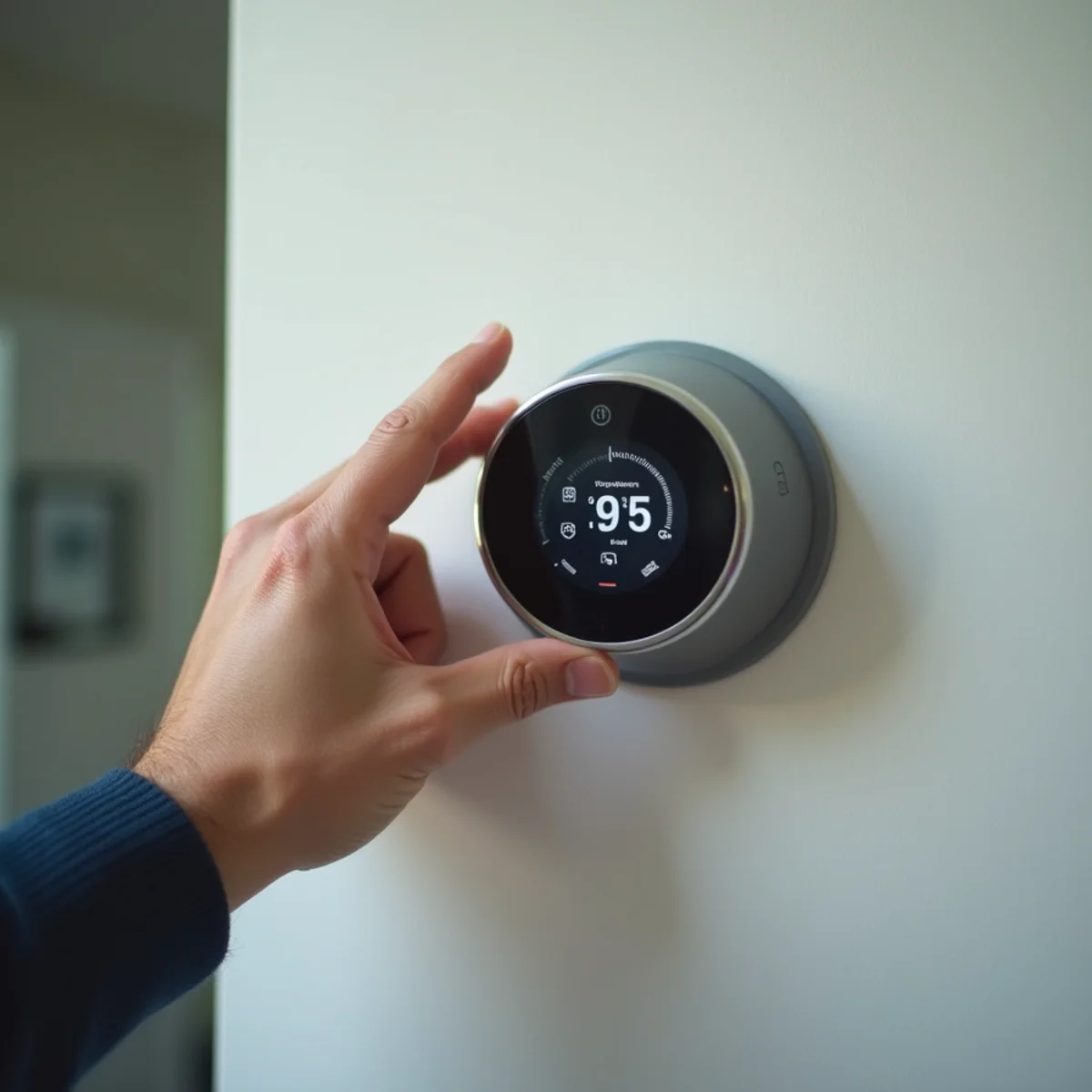
The most valuable feature of a smart thermostat in Stuart isn't the scheduling or the geofencing — it's the fact that a seasonal resident can see their empty house's temperature and humidity from 1,200 miles north, and get a text when either drifts. For snowbird homes, the smart thermostat is less a gadget than a sentinel.
This guide covers the setup that matters: which sensors and alerts to configure, how remote humidity control works with dehumidifiers, and the integrations that make an empty house manage itself.
The sensors and alerts that matter
Temperature and humidity are the two readings that protect an empty Florida house. The alert thresholds: humidity above 60% RH (mold's comfort zone begins), temperature above 85°F (something's wrong with cooling), and — worth configuring — a power or offline alert, because a thermostat that stops reporting is itself a finding. Weekly app check-ins plus push alerts catch the June breaker trip and the July dehumidifier failure while they're cheap.
Sensor placement adds depth: a remote sensor in the most humidity-vulnerable space (a closed bedroom, a closet-heavy hallway) reports where the problem starts rather than where the thermostat happens to hang. Most smart platforms support two or more sensors; the empty-house configuration uses them.
Remote humidity control: how it actually works
Smart thermostats with dehumidification control can drive a whole-home dehumidifier or a variable-speed AC's dehumidification mode to a target — typically 50-55% RH for an empty house — independent of temperature. The thermostat measures, the equipment runs when humidity demands it, and the app shows both the target and the actual. That's the closed-summer setup in one sentence.
The pairing matters: the smart thermostat is the brain, but the muscle is the equipment — a dehumidification-capable AC or a dedicated whole-home dehumidifier. On a standard single-stage system with no dehumidifier, the thermostat can report the humidity but can't manage it; that's the visit where we talk about the equipment half.
- Alerts: >60% RH, >85°F, and thermostat-offline
- Remote sensors in humidity-vulnerable spaces
- Dehumidification target ~50-55% RH for the empty months
- Works with dehumidifier-capable equipment — the brain needs muscle
- Weekly app check-ins plus push alerts
The integrations worth configuring
Water-leak sensors near the air handler, water heater, and under-sink cabinets integrate into the same app ecosystem — and in an empty house, a leak sensor's text is the difference between a mop and a renovation. Smart breakers or plugs on the HVAC circuit add the power-monitoring layer: a system that stops drawing power at 2 p.m. in July is a finding, not a mystery for October.
For households that want the full setup, the configuration is one visit: thermostat, sensors, alerts, integrations, and a walkthrough of the app with everyone who'll be checking it — including the adult children who monitor from up north. The empty house doesn't manage itself; it manages itself with the right instrumentation.
The seasonal rhythm, automated
The complete seasonal setup runs itself: departure week sets the summer profile (high setpoint or humidity target), the alerts stand guard, the weekly check-in confirms, and the pre-return visit verifies the hardware before the drive south. Some platforms automate the profile switching on a calendar; all of them support it manually in two taps.
The payoff arrives in October, and it's boring: the house held 51% RH all summer, the system ran 214 hours, the one alert (a brief power blink in June) resolved itself. Boring is the feature. The alternative isn't.
Frequently Asked Questions
Humidity above 60% RH, temperature above 85°F, and a thermostat-offline alert (a thermostat that stops reporting is itself a finding). Weekly app check-ins plus push alerts catch the summer's failures while they're cheap.
Services Mentioned
Areas We Serve
Related Reading
Seasonal Care
Snowbird Departure Checklist: HVAC Settings Before You Head North
The difference between an October homecoming and an October remediation project is decided the week you leave. The HVAC departure checklist for Stuart's seasonal residents.
Local Guides
Snowbird Season: Preventing Mold in Your Closed-Up Stuart Home
A closed house in a Stuart summer is a terrarium. The departure setup, the monitoring, and the October return that smells like nothing — the mold-free plan.
Costs & Buying
Whole-Home Dehumidifier Cost in Stuart, FL: Worth It for Snowbirds?
A whole-home dehumidifier costs real money — and for Stuart's snowbirds, it's the cheapest mold insurance available. The cost breakdown and the empty-house math.