
Problems & Fixes · 6 min read
Condo Fan-Coil vs Central AC: What Hutchinson Island Owners Should Know
By HVAC Stuart FL · Published March 5, 2025 · Updated June 28, 2025
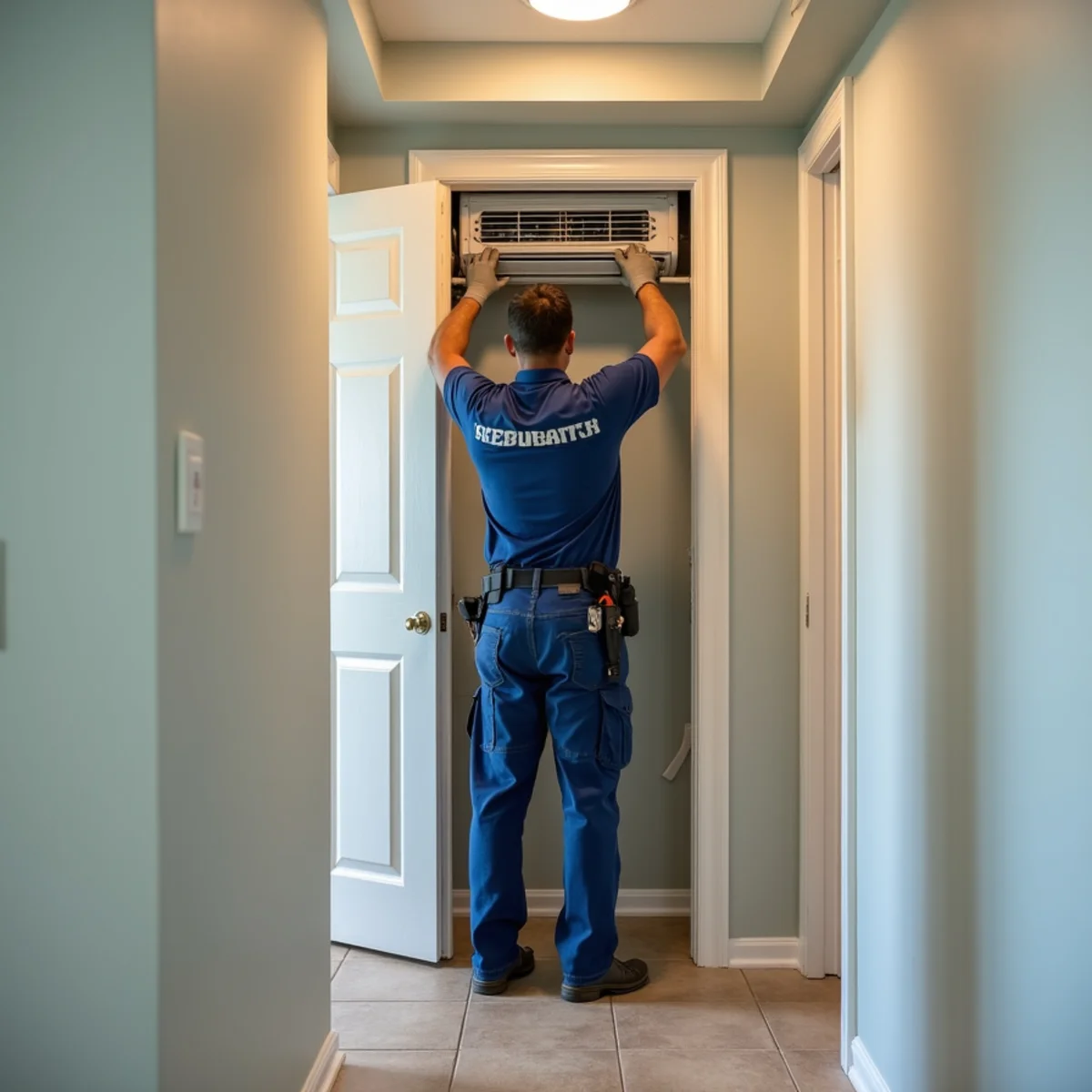
Hutchinson Island's condos live on fan coils: compact air handlers in hallway closets, fed by building systems or paired condensers, doing the cooling that central-AC houses take for granted. They're also the source of the island's most common water damage — because a fan coil that overflows doesn't flood your closet; it floods your downstairs neighbor's ceiling.
Whether you own a fan-coil unit, are comparing buildings, or just got quoted a replacement, this guide covers the ownership boundaries, the equipment realities, and the details that separate a good fan-coil install from a future insurance conversation.
First: who owns what
The ownership boundary is the first question in condo HVAC, and governing documents answer it: unit owners typically own and maintain the fan coil (or through-wall unit) inside their walls, while shared risers, chillers, cooling towers, and sometimes exterior condensers belong to the association. Misreading that boundary wastes money in both directions — paying for association equipment, or waiting on the association for equipment that's yours.
Before any work: confirm the boundary in your documents, confirm what approval the association requires (almost always for anything visible or structural, often for in-unit work with access requirements), and confirm your contractor carries the licensing and insurance certificates island associations mandate. We handle all three as a routine part of the visit.
Fan coils: the equipment reality
Fan coils age in building cohorts — installed together, failing together — which is why whole floors of an island building seem to schedule their failures collectively. The units themselves are constrained replacements: the new unit must fit the existing sleeve, match the electrical, connect to existing risers or condensing equipment, and drain correctly, all inside a closet that hasn't changed since the building was built.
The drainage detail is the one that matters most: failed pans, clogged lines, dead pumps, and missing float switches are the mechanism behind nearly every condo ceiling stain. A proper fan-coil replacement includes new drain lines, a functioning pump where gravity fails, and a float switch that shuts the unit off before it can overflow — the $150 device that prevents the $5,000 downstairs repair.
Central AC in condos: when it applies
Garden-style and low-rise buildings sometimes support in-unit central systems: a condenser on a patio or approved ground location paired with a conventional air handler, where the building's format and association rules allow. The trade-offs run both ways — central systems offer conventional service and replacement options but demand outdoor space, association approval, and drainage planning; fan coils live entirely inside but carry the cohort-aging and sleeve constraints.
For townhome-style units and villas — Emerald Lakes-format buildings, island townhouses — conventional central AC is usually straightforward: your equipment, your wall, your replacement timeline. The island's mid-rise stock is where the fan-coil reality dominates.
The salt factor and the replacement questions
Island buildings add the salt variable to everything: fan coils near open windows and sliders breathe salt air, and any exterior condenser lives in the full corrosion path — coated coils and corrosion inspection are specification, not upgrade. Building-wide replacement programs (phased, bulk-priced, association-coordinated) are how the cohort problem gets managed instead of endured.
When your fan coil's number comes up, the questions that matter: Does the replacement fit the sleeve and match the electrical? Does it include new drainage with a float switch? Is the contractor carrying the association's required licensing and insurance? And is the pricing per-unit or part of a building program? The answers separate a two-day inconvenience from a recurring problem.
Frequently Asked Questions
Your governing documents draw the line: unit owners typically own the fan coil or through-wall unit inside their walls; shared risers, chillers, and common condensers belong to the association. Confirm before any work — misreading the boundary costs money either direction.
Services Mentioned
Areas We Serve
Related Reading
Commercial
HOA & Condo HVAC Programs for Martin County Communities
Boards, managers, and 200 HVAC systems: why community-wide programs beat unit-by-unit scrambling, and what a good program includes.
Problems & Fixes
Is a Mini-Split Right for Your Stuart Garage or Addition?
Garages bake, additions roast, and window units fight a losing war. The mini-split case for Stuart's unconditioned spaces — sizing, cost, and the honest limits.
Costs & Buying
Why Coastal AC Units Die in 6-8 Years — and What Protection Costs
A condenser that would last 15 years inland dies in 6-8 near the water. The corrosion science, the four-layer defense, and the math that makes each layer pay.