
Storm & Emergency · 5 min read
Water Around Your Air Handler? Emergency Signs in Stuart's Humidity
By HVAC Stuart FL · Published June 5, 2025 · Updated June 25, 2025
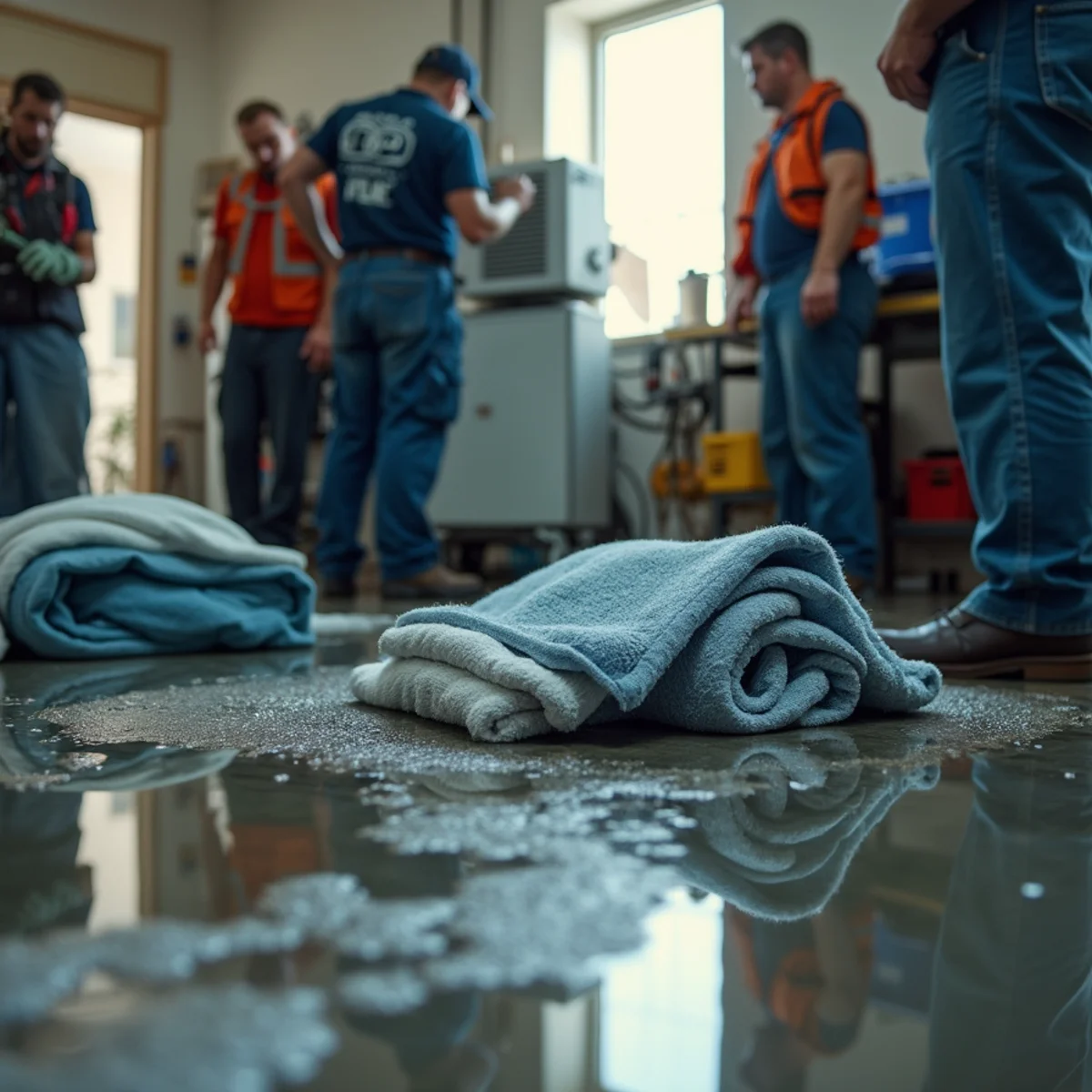
In Stuart's humidity, a working air handler pulls gallons of water out of your air every day. All of it is supposed to leave through a condensate drain line and a pan most homeowners never think about — until the day water is on the floor, the ceiling stain is spreading, or the closet smells like a swamp. That's not a maintenance item; that's an emergency with a 24-to-48-hour clock attached.
The EPA targets drying wet materials within 24–48 hours to limit mold growth, and in our climate that window is optimistic. Here's what's happening, what's urgent, and the first-hour steps that keep a clogged drain from becoming a remediation project.
Where the water comes from — and why it escapes
The evaporator coil sweats constantly in our climate; that condensation collects in the drain pan and exits through the drain line. Algae — which grows enthusiastically in warm, wet, dark drain lines — clogs the path. When it does, the pan fills and overflows, or the float switch (if you have one) shuts the system off before it does.
Other escape routes: a failed condensate pump on systems that drain uphill, a cracked pan on older equipment, a disconnected drain line, or a coil so dirty that water carries past the pan. Each has a different fix, but the first-hour response is the same.
The first hour: stop, protect, document
Turn cooling off at the thermostat — a leaking system keeps making water as long as it runs. Move belongings, rugs, and electronics out of the water's path, and put towels or a container under active drips. If the air handler itself is standing in water, shut power at the disconnect if you can reach it safely; stay out of wet electrical areas otherwise.
Then photograph: the pan, the drain line, the water path, any ceiling or wall staining, and the equipment's model plate. That documentation serves diagnosis and any insurance conversation, and it takes two minutes. After that, call — a clogged drain is a fast fix when it's caught, and a ceiling project when it isn't.
- Cooling off at the thermostat immediately
- Power off at the disconnect only if the handler sits in water and it's safely reachable
- Belongings moved, towels down, drips contained
- Photos: pan, drain, water path, stains, model plate
- Call before the 24–48 hour mold window closes
What the technician will do
The diagnosis distinguishes cause from symptom: a clogged drain gets cleared and treated (algicide, not just a flush), a failed pump gets replaced, a cracked pan gets assessed against the equipment's remaining life, and a float switch — if the system lacks one — gets recommended, because it's the $100 device that turns the next overflow into a shutdown instead of a ceiling repair.
The coil and filter get checked too, because a dirty coil sheds water past the pan and a choked filter freezes the coil into its own water event. In Stuart's climate, drain treatment is standing maintenance, not a one-time fix — the algae comes back with the humidity, and the plan keeps it managed.
The humidity connection
Homes that fight chronic humidity — common in our older housing stock and our waterfront neighborhoods — grow algae faster and drain-clog more often. If this is the second or third overflow, the real conversation is humidity: duct sealing against attic infiltration and a whole-home dehumidifier reduce the water volume moving through the system, which reduces the clog frequency with it.
Visible mold or damaged building materials are a different threshold: if the leak has been running longer than a day or two, or you see growth on surfaces, professional assessment matters — dehumidifiers and drain fixes don't remediate contamination. We'll tell you honestly where that line is.
Frequently Asked Questions
Treat it as one. The system makes more water every minute it runs, the EPA's 24–48 hour mold window starts immediately, and water finds electrical and drywall. Shut cooling off, protect the area, document, and call.
Services Mentioned
Areas We Serve
Related Reading
Storm & Emergency
AC Out in 91°F Stuart Heat? Emergency Steps Before You Melt
An AC failure in Stuart's heat is a safety event, not an inconvenience. The emergency steps that protect your family and your home while you wait for the technician.
Local Guides
St. Lucie River Humidity: What Lagoon Life Does to Your Ductwork
Living on the water means living in the moisture. What river humidity does to attic ducts — sweating, mold, and starved rooms — and the fix sequence that ends it.
Problems & Fixes
Mold in Your AC Ducts? Florida's Humidity at Work
That musty smell when the AC kicks on isn't the filter. In Florida, duct mold is a moisture story — and the fixes that actually work aren't the ones most advertised.